Women are living longer than ever. And what matters is not only lifespan, the number of years you live, but your health span: the years you live well. Too many women reach older age frail and dependent, unable to live the life they had expected or imagined for themselves.
In menopause, when the body is changing in ways that are hard to ignore, questions about your health and your future health become urgent and real.
Women have been told to age gracefully, which is about easing into what seems inevitable. This platform is about something more ambitious: aging powerfully. It is about getting the right guidance, taking agency and driving your own evolution, aiming to age powerfully.
The name menopause is misleading. It suggests this is about your menstrual cycle ending, the end of the reproductive phase of a woman's life. It is about far more than that.
Menopause is a profound biological shift — a state of hormonal deficiency. The loss of vital hormones, oestrogen and progesterone, affects every cell, tissue and organ in the body: your brain, your bones, your heart, your gut, your metabolism, immune system, genitourinary system. All of it.
By getting the full picture about what is happening in your body, you get to understand and approach menopause in a way that brings real results — improving how you are doing and feeling today, and safeguarding your future health. Getting the right guidance to build your knowledge helps you move forward, make informed decisions that are right for you, take agency and embrace aging powerfully.
Most women have tried many things and have been told many things. But what changes everything is understanding what is happening in your body in menopause.
Understanding the role of your vital hormones, oestrogen, progesterone and testosterone, and what happens when in (peri)menopause they are no longer produced in sufficient amounts, is essential. Its real value lies in understanding this is driving your symptoms and connecting this to your symptoms: the ones you are experiencing, the ones you may not have connected to menopause, and the silent physiological impacts you would not notice at all.
Every woman comes to this with her own concerns and questions about what is happening to her body, and about what the right approach is for her.
If you are doubting HRT or are unsure whether it is right for you, that decision deserves a real and informative conversation about the efficacy and safety of hormones, evidence-based, based on facts, not fear. A conversation that takes your concerns, questions, symptoms, health and wellbeing into account.
If you are already on HRT but not feeling the benefit, the same applies — a real and informative conversation is where the answer is found, and it is almost always in personalising and optimising HRT — discussing the right type of hormones, dosage, delivery method and protocol for you specifically. Getting this right is your foundation to build from.
It is not uncommon to hear a woman say:
"I tried HRT but it was not working for me." This is because HRT prescribing in an individualised way is not yet the norm. Doctors often send their patients away with a standard prescription — but HRT is not one size fits all. It is something very specific to each woman, her body and what she is experiencing.
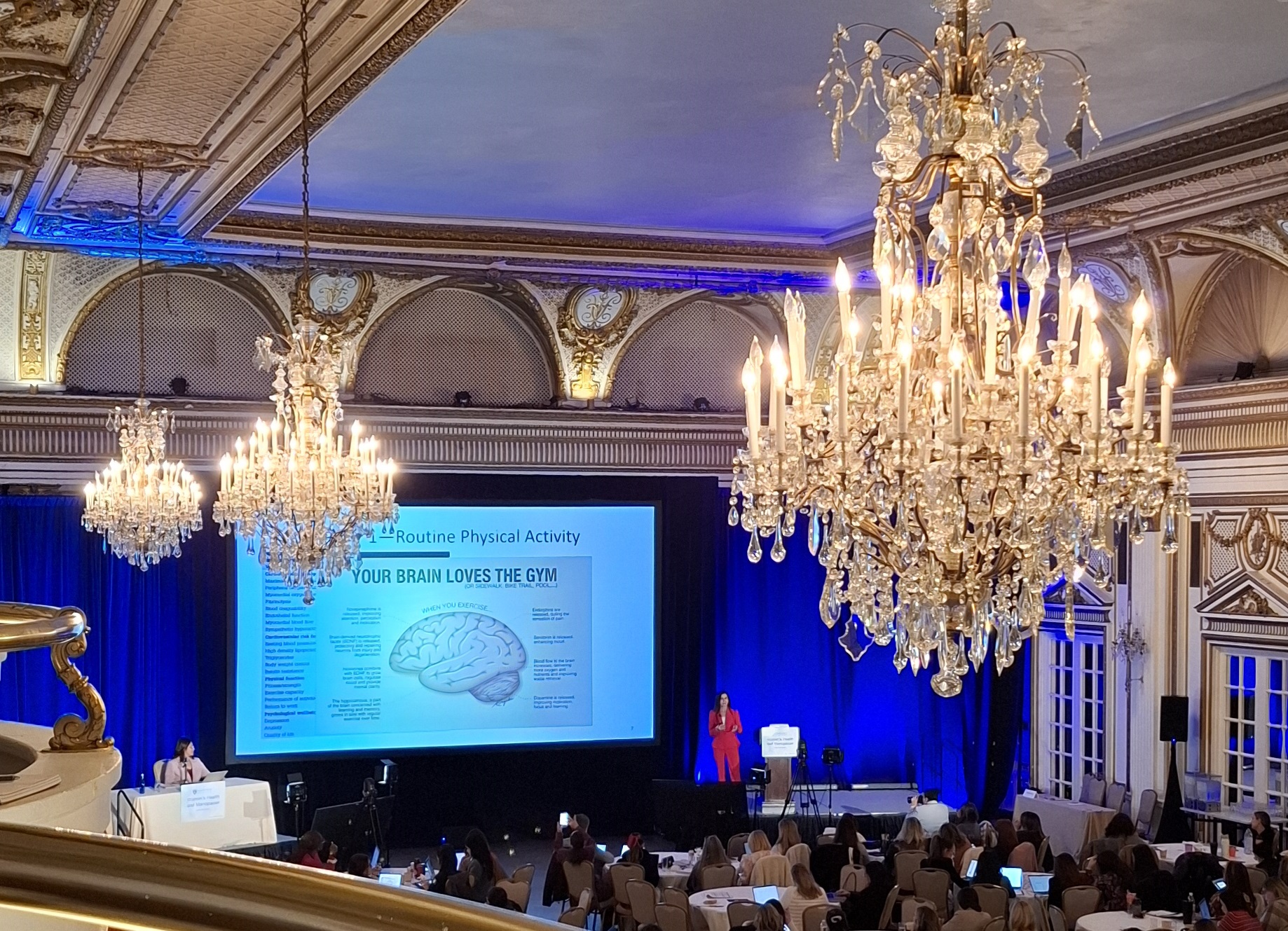
You may find that the types of exercise that worked for you no longer work for your body, energy or weight management. In menopause you have a changed biology, and what is needed now is a different exercise strategy specific to that changed biology.
The right exercise strategy builds you up, gives you energy, and makes your body strong, healthy and energetic, serving you now and in the future. When you understand why your body needs this and what it does for you, it becomes a lifestyle commitment you choose actively and proactively for yourself — your most powerful tool to stay in control of your health and wellbeing.
Oestrogen plays an important role in the digestive system, regulating and supporting the gut microbiome: the balance of bacteria that keeps your digestive system working well. Without oestrogen, this balance shifts, making digestion less effective. It is harder for your body to take in and absorb the nutrients you need. And beyond affecting digestion, this changed gut microbiome affects the immune system because much of your immunity lies in the gut, as well as impacting your metabolism and energy levels, even your brain and mood through the gut-brain connection.
The changed body chemistry in menopause requires a different nutritional approach. A diet that feeds your "good" gut bacteria, rich in fibre and fermented foods, becomes more important. So does getting enough protein, which supports your muscle and bone and helps regulate your metabolism. Reducing sugar, ultra-processed food and alcohol matters more too, as these foods add to the inflammation your body is trying to manage without the protection that oestrogen used to provide.
Nutrition in menopause is not just about managing weight. It is about the right fuel that your body needs to stay well nourished, strong and energised.
Menopause is a time to pause, to reflect on where you are and where you want to go. The guidance you get, the knowledge you build, the decisions you make, the strategies you put in place matter for how you feel today — and impact your future health.
Aging is a privilege. This platform is here to support you with the knowledge and confidence to age powerfully: to stay healthy, strong and vibrant.